
Views: 5 Author: FUDA block machine factory Publish Time: 2026-04-21 Origin: Site
Investing in a fully automatic fly ash brick making machine is one of the most consequential decisions you will make for your construction materials business. It’s a significant capital expenditure with direct, daily implications for your output, product quality, labor costs, and ultimately, your profitability. The market is flooded with options, each boasting impressive specifications and promises. How do you cut through the noise and make a choice you won’t regret?
With over 15 years of experience in brick plant setup, machinery evaluation, and production optimization, I’ve guided countless businesses—from startups to large-scale manufacturers—through this exact process. This guide distills that hands-on experience, technical expertise, and deep market knowledge into a structured framework. We will move far beyond glossy brochures and basic specs to explore the critical, often-overlooked factors that separate a productive asset from a costly headache. My goal is to equip you to select a machine that is not just labeled "fully automatic," but is fully suitable for your unique operation and ambitions.
Before evaluating specific models, it's crucial to understand what you're buying. A "fully automatic machine" is more than just a piece of equipment; it's an integrated production system.
In the context of fly ash brick making, automation exists on a spectrum:
Manual/Semi-Automatic: Reliant on significant human intervention for feeding, molding, and stacking. Output and consistency are directly tied to operator skill and stamina.
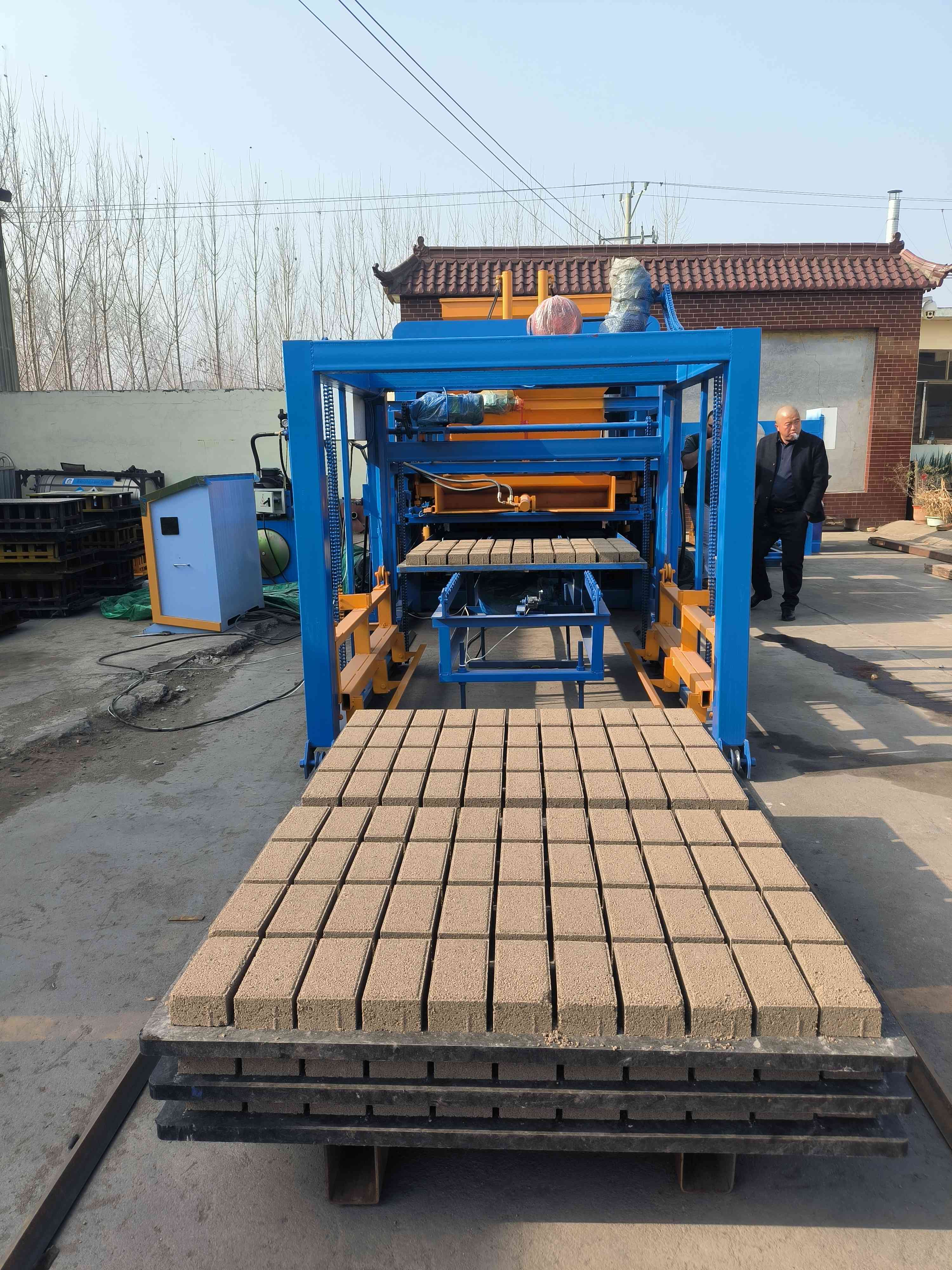
Fully Automatic: Represents a closed-loop system with minimal human intervention. The entire process, from raw material feeding to finished brick stacking, is orchestrated by a Programmable Logic Controller (PLC) or industrial computer.

True full automation encompasses:
* Automatic proportional feeding of raw materials (fly ash, sand, lime, gypsum).
* Automated mixing and water addition.
* Automatic molding with precise hydraulic pressure.
* Automatic transfer of green bricks to pallets.
* Automatic pallet feeding and return.
* Automatic brick stacking/cubing for curing.
The operator's role shifts from manual labor to supervision, monitoring, and quality control.
The reliability of the entire plant hinges on the quality of its core components. Here’s what to scrutinize:
Hydraulic System: The heart of the machine. Look for reputed pump and valve brands (e.g., Rexroth, Yuken, Parker). A robust system ensures consistent pressure, leading to uniform brick density and strength. Cheap hydraulics lead to leaks, pressure drops, and frequent downtime.
Control Panel (PLC vs. Microcontroller): The brain. A true industrial-grade PLC (e.g., Siemens, Allen-Bradley, Mitsubishi) is more reliable, programmable, and offers better diagnostics than a simple microcontroller. It allows for precise recipe management and fault logging.
Mold & Wear Parts: The tool that shapes your product. Molds should be made from high-chrome, hardened steel for longevity. Easy access for cleaning and changeover is a must.
Conveyor & Pallet System: The circulatory system. Heavy-duty construction is vital to withstand constant load. Pallet feeders should be precise to avoid misalignment and brick damage.

The shift to full automation is driven by tangible benefits:
Quantitative Benefits:
* Output: Can produce 8,000 to 30,000+ bricks per 8-hour shift, dwarfing semi-automatic output.
* Labor: Reduces direct labor requirements by 60-70%. Typically requires only 3-5 persons per shift for supervision and material handling.
* Consistency: PLC control eliminates human error, ensuring every brick has identical dimensions, weight, and compressive strength.
Qualitative Benefits:
* Scalability: Easily integrates into a larger plant layout with automatic curing racks (rack systems) and robotic palletizers.
* Working Conditions: Moves workers away from repetitive, strenuous tasks into supervisory roles.
* Data & Control: Enables precise tracking of production counts, cycle times, and recipe management.
This is the core of your decision-making process. Use these factors as your evaluation checklist.
Don't buy based on a machine's maximum claimed output. Buy based on your realistic, calculated needs.
Calculate Demand: Analyze your current orders and projected growth for the next 3-5 years. How many bricks do you need per day, per month?
Match Cycle Time: A machine's output is a function of its cycle time (e.g., 10-15 seconds per cycle). A 12-second cycle machine can theoretically produce 2,400 bricks per 8-hour shift at 100% efficiency. Factor in realistic efficiency (85-90%).
Future-Proofing: Consider a machine with 20-30% more capacity than your current need to accommodate growth without an immediate new investment.
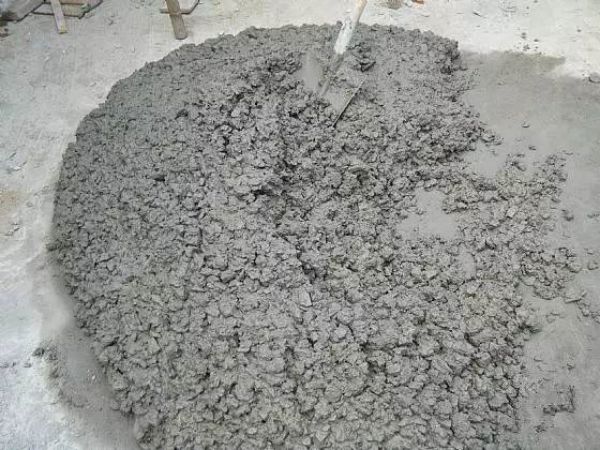
Your fly ash mix is unique. The machine must be calibrated for it.
Conduct Lab Tests: Know your fly ash's composition (Class F or C), particle size, and moisture content. This affects the water-to-cement ratio and required compaction force.
Mixer Efficiency: The machine's mixer must achieve a homogeneous blend of your specific raw materials. Ask for a demonstration using a sample of your fly ash.
Moisture Control: A good system has precise water metering. Inconsistent moisture is a primary cause of cracking and weak bricks.
What are you selling? The machine must deliver it.
Mold Versatility: Determine the brick types you need: solid, hollow blocks (4", 6", 8"), pavers, interlocking bricks. Can the machine accommodate quick mold changes?
Compressive Strength: This is directly related to the machine's hydraulic pressure (tonnage). Higher tonnage (e.g., 150-250 tons) compacts the raw material more densely, creating stronger bricks (often 100-150 kg/cm² or more). Know your market's strength requirements.
Surface Finish: The mold quality and release mechanism determine the brick's surface texture and edge sharpness.
Look past the headline numbers.
Power Consumption: A 30-50 HP machine will have significant running costs. Calculate the daily energy expense. More efficient hydraulics and motors can save thousands annually.
Degree of Automation: Clarify what "fully automatic" includes. Does the price include the automatic stacker/cuber? The pallet feeder and return system? Or are these costly add-ons?
Control System Features: Can the PLC store multiple recipes for different brick types? Does it provide error messages and production reports?

You're not just buying a machine; you're entering a long-term partnership.
Vetting the Manufacturer: How long have they been in business? Ask for a list of client references—and actually call them. Visit their factory if possible. Look for ISO certifications and industry affiliations.
After-Sales Service: This is non-negotiable. What is their response time for service calls? Do they have trained technicians in your region? Is there 24/7 remote support?
Spare Parts Inventory: Are common wear parts (seals, cylinders, mold liners) readily available locally or do they ship from a single factory abroad, causing weeks of delay?
The cheapest machine is often the most expensive in the long run.
TCO Includes:
* Purchase Price
* Installation & Foundation Costs
* Annual Maintenance & Spare Parts
* Energy Consumption
* Cost of Downtime (Lost Production)
A robust, slightly more expensive machine from a reputable supplier will typically have a lower TCO due to higher uptime, better energy efficiency, and readily available, reasonably priced spares.
The machine must fit your space and utilities.
Space Planning: You need space for the machine itself, raw material storage (silos/bunkers), a curing area (3-4 times the daily production area), and finished goods storage.
Foundation: These are heavy, vibrating machines. They require a specific, reinforced concrete foundation as per the manufacturer's drawing.
Utilities: Ensure your site has the required 3-phase electrical connection with adequate load capacity. Consider water supply for mixing and dust suppression.
Follow this methodical approach to stay organized and in control.
Create a document outlining everything: required output, brick specifications, raw material details, preferred level of automation, and site conditions. This becomes your RFP (Request for Proposal) and ensures you get comparable quotes.
Based on your research, shortlist 3-5 credible manufacturers. Send them your Technical Requirement Sheet and request detailed proposals, not just brochures.
This is the most critical step. Visit the shortlisted factories.
* Observe build quality and workshop organization.
* Insist on a live trial using a raw material mix similar to yours. Measure the bricks produced for dimensions and weight consistency.
* Talk to the assembly team and engineers.
What is covered under warranty (parts, labor, duration)?
What are the terms of the annual maintenance contract (AMC)?
Negotiate payment terms that protect you (e.g., a significant hold-back payment until successful commissioning at your site).
Factor in time and cost for foundation construction, machine installation, and electrical work. Ensure the manufacturer's commissioning engineer will be on-site to set up the machine and provide comprehensive training to your operators and electricians.
Learn from the mistakes of others.
Prioritizing Low Price Over Engineering and Service: The initial savings will be erased by your first major breakdown if the machine is poorly built or unsupported.
Overlooking the Cost and Logistics of Spare Parts: Ask for a price list of common spares before you buy. Ensure there is a local supply chain.
Underestimating the Skill Level Required for Maintenance: Even automated machines need skilled electricians and mechanics for preventive maintenance. Budget for this expertise.
Failing to Get a Performance Guarantee in Writing: The contract should include a guaranteed production output (bricks per hour) and brick quality (compressive strength) under defined conditions, with clear remedies if not met.
A reliable, entry-level fully automatic machine for producing 8,000-10,000 bricks per shift can start from $11,000 to $30,000. High-capacity models (20,000+ bricks) with advanced features and automatic cubing can range from $30,000 to $50,000+. The final price is driven by capacity, automation level, brand of components (e.g., German hydraulics vs. local), and customization.
While the core molding process is hands-off, you still need personnel for:
* Raw material handling (1-2 persons).
* Supervising the machine, clearing occasional jams, and performing quality checks (1 person).
* Managing the curing yard and finished goods (1-2 persons).
Thus, a typical shift runs efficiently with 3-5 personnel.
For a standard model, expect 60 to 90 days for manufacturing. With customization and international shipping, it can extend to 120-150 days. Always clarify this timeline in your contract, including penalties for delays.
Yes, through interchangeable molds. However, changing a mold is not instantaneous; it can take 2-4 hours of skilled work. If you plan frequent changeovers, discuss quick-change mold systems with the manufacturer.
Hydraulic Oil Leaks: Caused by poor-quality seals or fittings. Prevent with regular inspection and using the recommended oil grade.
Conveyor/Mixer Jams: Often due to oversized raw material or foreign objects. Use proper screening and guarding.
Electrical Sensor Failures: Dust and vibration are the enemies. Ensure a clean electrical cabinet and follow the manufacturer's preventive maintenance schedule religiously.
Choosing the right fully automatic fly ash brick making machine is a strategic decision that will define your business's capabilities and competitiveness for a decade or more. It requires a disciplined balance of technical understanding, clear business planning, and a sharp focus on the long-term partnership with your supplier.
By following the structured, experience-driven approach in this guide—from raw material analysis to factory inspections—you transform from a hopeful buyer into an informed investor. Remember, the optimal machine is the one that reliably meets your quality and quantity targets while maintaining a predictable, sustainable cost of operation.
Your due diligence today is the unshakable foundation of your productivity and profitability tomorrow. Take your time, ask the detailed questions, and never compromise on seeing the machine perform under conditions that mirror your own.
Next Step Recommendation: Before you contact a single supplier, internalize this guide and draft your specific Technical Requirement Document. This single act will immediately position you as a knowledgeable, serious buyer and ensure you receive comparable, actionable quotations that you can confidently evaluate.

