
Views: 10 Author: FUDA block machine factory Publish Time: 2026-04-24 Origin: Site
Selecting a supplier for your block brick making machine is one of the most consequential decisions you will make for your construction materials business. This isn't merely a purchase; it's a long-term capital investment that will dictate your production efficiency, product quality, and profitability for years to come. Partnering with the wrong supplier can lead to a cascade of costly problems: chronic machine downtime, inconsistent block quality, exorbitant maintenance costs, and ultimately, a failure to meet client demands.
This guide is designed to be your definitive resource. We will move beyond superficial price tags and marketing claims to provide a clear, step-by-step framework rooted in industry procurement best practices. Our goal is to equip you with the knowledge to evaluate potential partners on critical factors like technical support, manufacturing integrity, and true lifecycle value. Whether you're establishing a new plant or upgrading your production line, this post will serve as your essential checklist for making an informed and confident choice.
You cannot find the right supplier until you know exactly what you need. A precise understanding of your project acts as a shield against suppliers who might try to sell you an underpowered machine or an unnecessarily complex and expensive one. This internal clarity is your first and most powerful tool.

Begin with the core question: what volume of blocks do you need to produce?
Calculate Realistic Output Requirements: Don't guess. Analyze your current orders, tender requirements, or market study. Calculate your required daily and weekly output in units (e.g., blocks per 8-hour shift). Remember to account for curing time, which affects how many blocks you can store and sell in a cycle.
Choose the Right Machine Type: Your scale dictates the machine category.
Mobile/Small Static Machines: Ideal for on-site production, small businesses, or projects with lower output needs (e.g., 1,000 - 5,000 blocks per day).
Stationary Plant Machines: Necessary for medium to large-scale commercial block yards and factories. These include semi-automatic and fully automatic systems with much higher outputs.
Future-Proof Your Investment: Consider your 3-5 year business plan. Will demand grow? Investing in a machine that can operate at 70% of its capacity now, with room to scale to 100%, is smarter than maxing out a smaller machine immediately.
The machine must be capable of producing the specific blocks your market demands.
Block Types: Identify which products you will sell.
Hollow blocks (for construction)
Solid dense blocks
Paving stones & kerbstones
Interlocking blocks for retaining walls
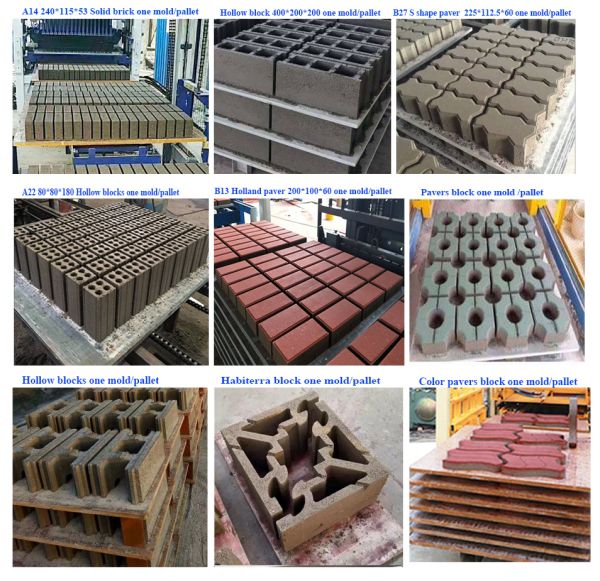
Critical Specifications: List the non-negotiable attributes.
Dimensions: Exact length, width, and height.
Compressive Strength: Required MPa (e.g., 3.5MPa, 7MPa, 10MPa). This is crucial for structural applications.
Surface Finish: Smooth, rustic, textured? This affects mold design.
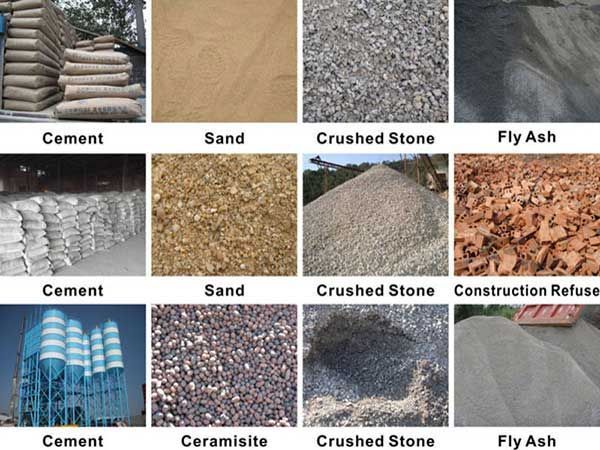
Raw Material Compatibility: Specify the primary materials you will use (e.g., Portland cement, sand, gravel, fly ash, crushed stone). The machine's mixing system and compaction method must be suited to your mix design.
The machine's sticker price is just the beginning. Smart budgeting focuses on Total Cost of Ownership (TCO).
Initial Purchase Price: The base cost of the machine.
Essential Accessories & Ancillaries: Often overlooked. Budget for:
Concrete pan mixer or batching plant
Block pallets (hundreds may be needed)
Brick carts or forklifts for handling
A concrete slab foundation for stationary plants
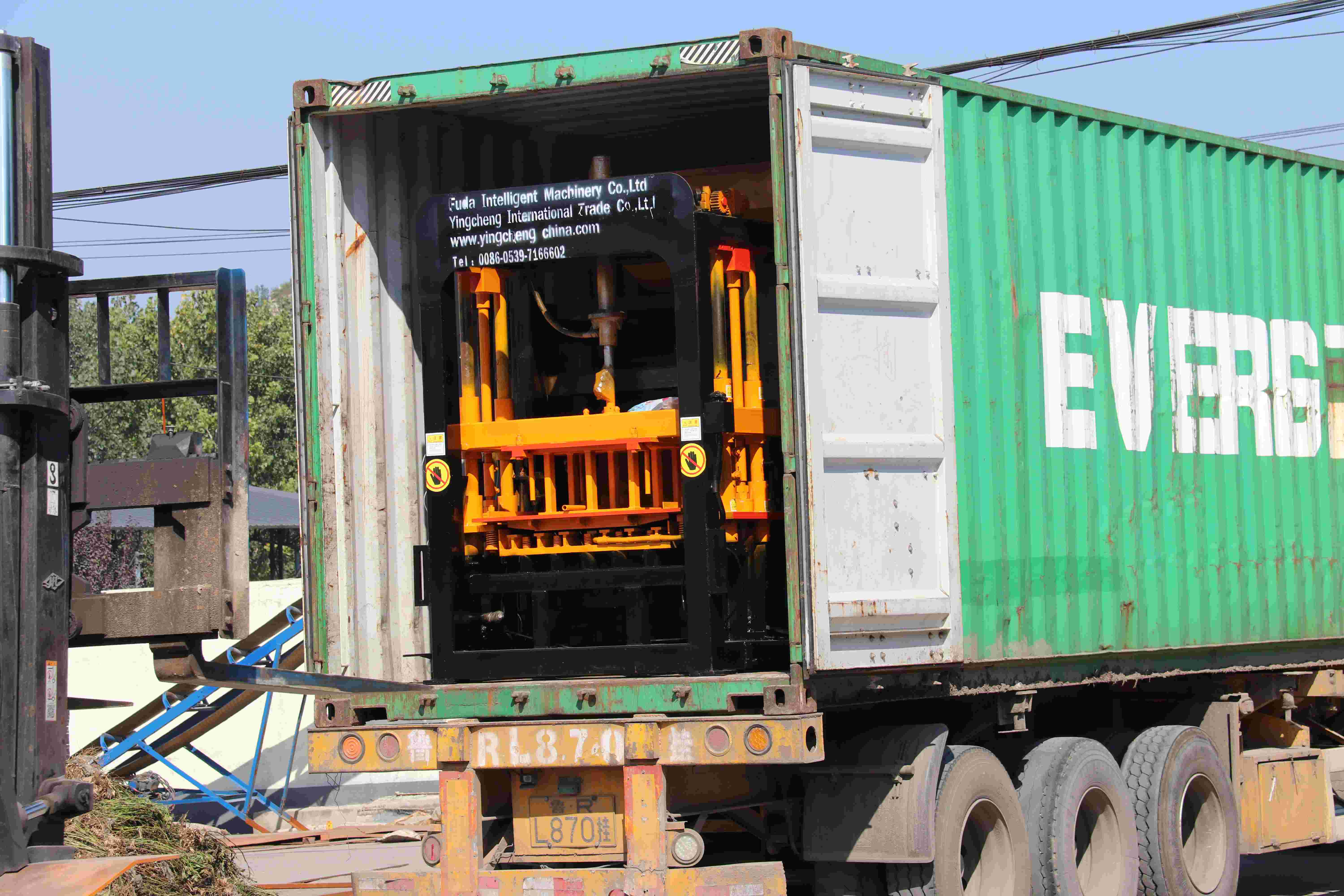
Shipping, Insurance, and Logistics: Costs for international sea freight (FOB, CIF), local transport, and crane off-loading.
Installation & Commissioning: Will the supplier send an engineer? Is this included or an extra cost?
Training: Operator training is vital for efficiency and safety.
Long-Term Operating Costs: Factor in energy consumption (electricity for motors/hydraulics), routine maintenance parts, and wear items like mold liners.
With your requirements documented, you can now objectively assess potential partners. This framework shifts the conversation from "how much does it cost?" to "what value do you provide?"
A supplier's history is a strong indicator of future reliability.
Track Record & Longevity: How many years has the company been manufacturing these machines? A decade-plus of experience often translates to refined designs and resolved early engineering issues.
Client Proof: Actively seek out testimonials, case studies, and project portfolios. A reputable supplier will gladly share these. Look for clients with similar operations to yours.
Certifications & Affiliations: Check for international quality standards like ISO certification and machinery safety marks like CE. Membership in construction or manufacturing associations also signals professional commitment.
This is where you assess the heart of the offering: the equipment itself.
Build Quality & Durability:
Frame: It should be heavy-duty, welded steel, not light-gauge. This ensures stability during high-vibration compaction.
Hydraulic System: Are components from reputable brands (e.g., Bosch Rexroth, Kawasaki)? Leaky, low-quality hydraulics are a major source of downtime.
Vibration System: This is critical for block density and strength. Multiple high-frequency vibrator motors under the mold table are a standard for quality machines.
Automation Level: Match the automation to your labor costs and precision needs.
Manual: Labor-intensive, lowest cost, suitable for very small scale.
Semi-Automatic: Operator loads mix and initiates cycle; machine handles compaction, lifting, and ejection. Excellent balance of cost and output.
Fully Automatic: With pallet circulation systems, these plants produce the highest output with minimal labor. Controlled by a Programmable Logic Controller (PLC) for precision and diagnostics.
Energy Efficiency & Controls: Modern machines with efficient motors and well-designed hydraulics save significant money over time. A user-friendly PLC touchscreen interface aids in operation and troubleshooting.

This is arguably the most critical differentiator between a vendor and a true partner.
Technical Support & Training: What does installation support look like? Is comprehensive operator and maintenance training provided on-site? Is technical support available via phone, WhatsApp, or email?
Warranty & Spare Parts: Scrutinize the warranty document. What is covered (parts, labor)? For how long? How is the spare parts inventory managed? What are the standard lead times for critical parts?
Service Accessibility: If you have a breakdown, what happens? The ideal scenario is a local service agent or technician. For overseas suppliers, understand their protocol for remote diagnostics and expedited parts shipping.
Now, put your criteria into action with a structured due diligence process.
Sources for Suppliers: Use B2B platforms (Alibaba, Made-in-China—with caution), industry-specific directories, and recommendations from trade associations. Attending international construction machinery trade shows is invaluable.
The Factory Visit (In-Person or Virtual): Never skip this. A physical or detailed virtual tour reveals the supplier's manufacturing capabilities, quality control processes, and scale. It builds trust.
The Quotation Request: Provide your detailed project requirements document to at least 3-5 suppliers. A professional, customized quotation in response is a good first sign.
Engage suppliers with pointed questions. Their answers (and willingness to answer) are telling.
"Can you provide a video of this exact machine model producing blocks at full speed?"
"What is your standard delivery timeline, and what factors could delay it?"
"What is included in your warranty, and what are the most common wear parts not covered?"
"Can you provide contact details for 2-3 clients in [your region/country] who have purchased a similar machine in the last 2 years?" (Then, actually call them).
Create a simple comparison matrix in a spreadsheet. Columns should include:
Supplier Name
Machine Model & Specs
Total Price (with breakdown)
Key Features & Technology
Delivery Terms & Timeline
Warranty Details & Scope
Payment Terms (e.g., 30% deposit, 70% before shipment)
Notes from reference checks
Red Flags to Identify: Vague or unusually short warranties, pressure to pay a large deposit quickly, reluctance to provide client references, quotations that don't match your specified requirements.
The final stage is about securing your investment with clear, protective agreements.
Standard Incoterms: Know what you're paying for.
FOB (Free On Board): You pay for the machine loaded on the ship; you arrange and pay for sea freight, insurance, and destination port costs.
CIF (Cost, Insurance, and Freight): Supplier arranges and pays for shipping and insurance to your destination port; you handle customs clearance and local transport.
Local Logistics: Plan and budget for customs clearance agents, import duties/taxes, and final trucking to your site. Don't be surprised by these costs.
A robust contract is your ultimate safeguard. Do not proceed without one.
Essential Clauses:
Detailed Machine Specifications: Attach the final, agreed-upon technical datasheet.
Delivery Schedule: A clear date for shipment from the factory.
Warranty Terms: The full, detailed warranty document as an appendix.
Payment Schedule: Linked to clear milestones (e.g., 30% on signing, 60% on pre-shipment inspection photos, 10% after successful commissioning).
Penalty Clauses: For significant delivery delays.
Scope of Supply: A complete list of every item included (machine, spare parts kit, tools, manuals).
Get Everything in Writing: Any promise made verbally during negotiations—about extra training, spare parts discounts, or support—must be included in the contract. If it's not written down, it doesn't exist.
Q1: What is the most important factor when choosing a supplier? Is it price?
A: While budget is crucial, the most important factor is often after-sales service and support. A slightly cheaper machine becomes extremely expensive if it faces prolonged downtime due to a lack of spare parts or technical assistance. Reliability and support ensure long-term productivity and ROI.
Q2: How can I verify a supplier's claims about machine output and quality?
A: Always ask for video evidence of the machine in operation producing blocks. Insist on client references and actually contact them. If possible, visit a working installation. Reputable suppliers will be transparent and encourage this due diligence.
Q3: Should I choose a local dealer or an overseas manufacturer directly?
A: This involves a trade-off. An overseas manufacturer often offers a lower initial price. A local or regional dealer provides faster service, easier communication, and local spare parts, but may have a higher price. Evaluate based on your technical capability, budget, and need for immediate support.
Q4: What are common mistakes to avoid when purchasing a block making machine?
A: Common pitfalls include: buying based on price alone, underestimating required production capacity, neglecting to budget for accessories (pallets, mixers, forklifts), and not having a clear service agreement. Rushing the decision process is the root cause of most of these errors.
Choosing the right block brick making machine supplier is a strategic decision that forms the very foundation of your production business. It requires a disciplined shift from a simple transaction mindset to a partnership evaluation. By meticulously defining your needs, applying a rigorous framework to assess supplier capabilities, and prioritizing long-term operational support over short-term cost savings, you invest in the sustained success and growth of your enterprise.
Use this guide as your roadmap. Move methodically, demand transparency, and trust the due diligence process. The right supplier is more than a seller; they are a technical partner instrumental in helping you build your vision—literally and figuratively.
Ready to start your search with confidence? Begin by documenting your specific project requirements using the criteria in the first section. This foundational step will empower you to engage with potential suppliers from a position of knowledge and clarity, ensuring you find the perfect partner for your block manufacturing journey.

