
Views: 0 Author: FUDA block machine factory Publish Time: 2026-04-16 Origin: Site
The global construction industry is built, quite literally, on the humble brick. From residential homes to towering skyscrapers, the demand for consistent, high-quality building blocks is relentless. For businesses looking to enter this market or scale their production, the choice of machinery is the most critical investment decision. Over the past few decades, China has firmly established itself as the epicenter of manufacturing for this essential equipment. Offering a powerful blend of technological sophistication, rugged durability, and exceptional value, China machines for making bricks have become the go-to solution for entrepreneurs and industrial players worldwide.
Whether you are a contractor aiming to start a small block yard to supply local projects or a large developer needing to feed a massive infrastructure endeavor, navigating this market is key to your success. This comprehensive guide is designed to be your definitive resource. We will demystify the landscape, explore the vast array of machine types, break down the true costs, and provide you with a practical, step-by-step framework for making an informed purchase. Our goal is to ensure you secure a machine that delivers not just bricks, but reliability, efficiency, and a formidable return on investment.
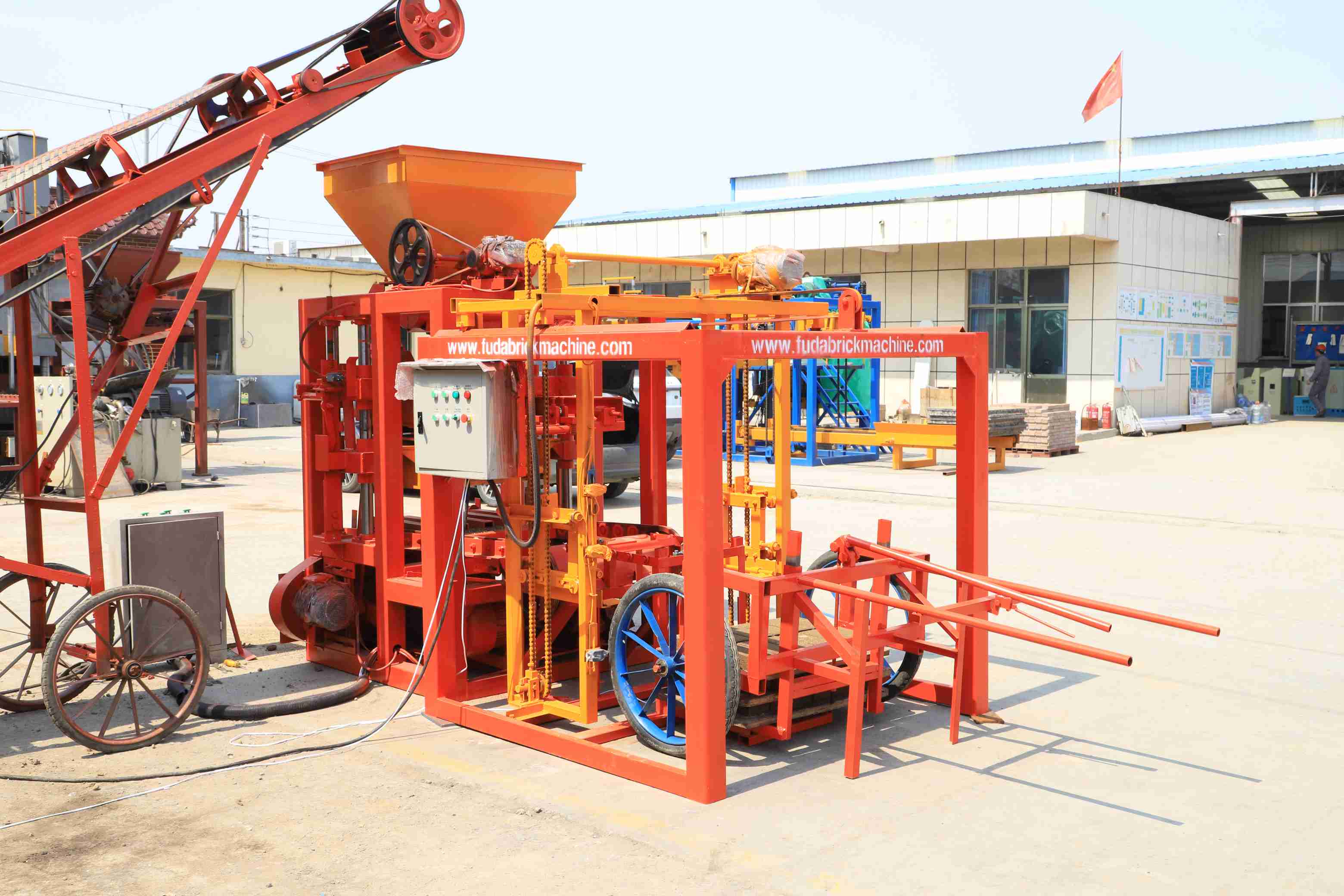
The prominence of China in this sector is no accident. It is the result of a powerful convergence of industrial factors that create an environment uniquely suited to producing world-class heavy machinery at accessible price points. Understanding this backdrop is the first step in appreciating the value proposition.
China’s rise as the “world’s factory” is built on an unparalleled industrial ecosystem. For brick making machinery, this translates into a deep, specialized supply chain. Every component—from high-grade steel plates and precision hydraulic cylinders to industrial motors and electrical panels—is sourced efficiently within a concentrated network. This ecosystem has been refined over decades, allowing manufacturers to focus on engineering and assembly with readily available, cost-effective parts. Furthermore, a vast pool of experienced engineers and technicians has cultivated a culture of continuous improvement in machine design and production processes.
Gone are the days when Chinese manufacturing was synonymous with imitation. Today, leading Chinese brick machine manufacturers are at the forefront of innovation. They have rapidly integrated advanced features to meet and exceed global standards:
Automation & Control: Modern plants feature Programmable Logic Controller (PLC) systems with user-friendly touchscreen interfaces, allowing for precise control over vibration time, pressure, and cycle parameters.
Eco-Friendly Design: Responding to global sustainability trends, many machines are engineered to utilize industrial waste like fly ash, slag, or construction debris as primary raw materials, turning an environmental liability into a profitable product.
Versatility: Machines can be quickly adapted with different molds to produce a wide array of products—from standard hollow blocks and solid bricks to intricate pavers, curbstones, and interlocking landscaping blocks—from a single production line.
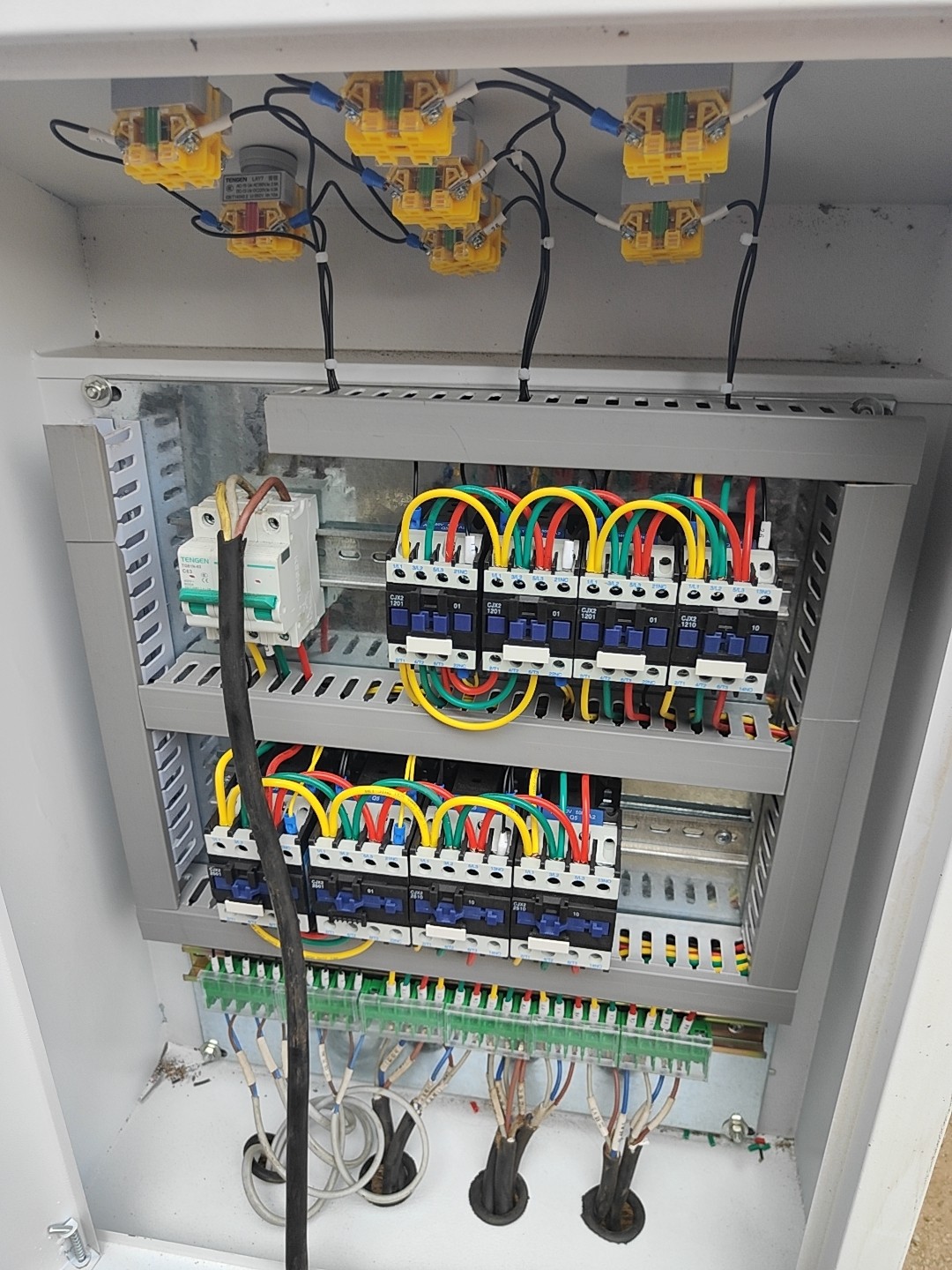
This is the cornerstone of China’s dominance. The combination of scale, efficient supply chains, and competitive labor costs allows Chinese manufacturers to offer machinery with core functionalities and durability matching Western counterparts, but at a fraction of the price. This democratizes automation, making high-output, semi-automatic, and fully automatic plants financially viable for small and medium-sized enterprises (SMEs) across the globe. You are paying for the machine’s essential performance and robust construction, not for the high overheads associated with other manufacturing regions.
The range of equipment available is vast, designed to cater to every scale of operation and raw material type. Knowing the categories is essential to matching the right machine to your business plan.
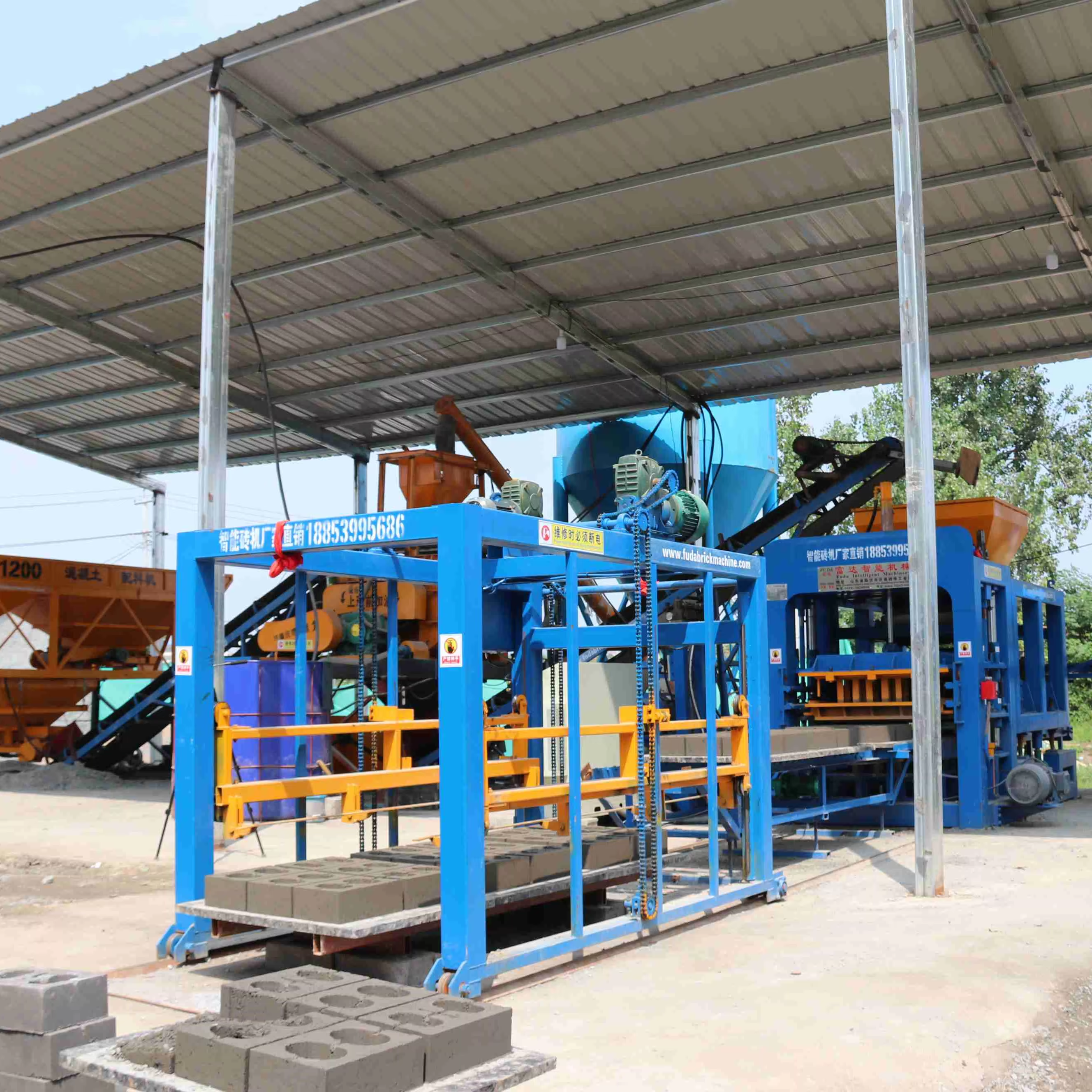
These are the powerhouses of brick production, designed for large-scale, high-volume output with minimal manual labor.
Description: Complete production lines that integrate raw material batching, mixing, automatic conveying, block molding, curing, and pallet return systems. They often use a stationary “block making machine” at their core.
Output: Can produce from 10,000 to over 30,000 standard blocks per 8-hour shift.
Ideal For: Large block yards, industrial suppliers to major construction projects, and government infrastructure initiatives.
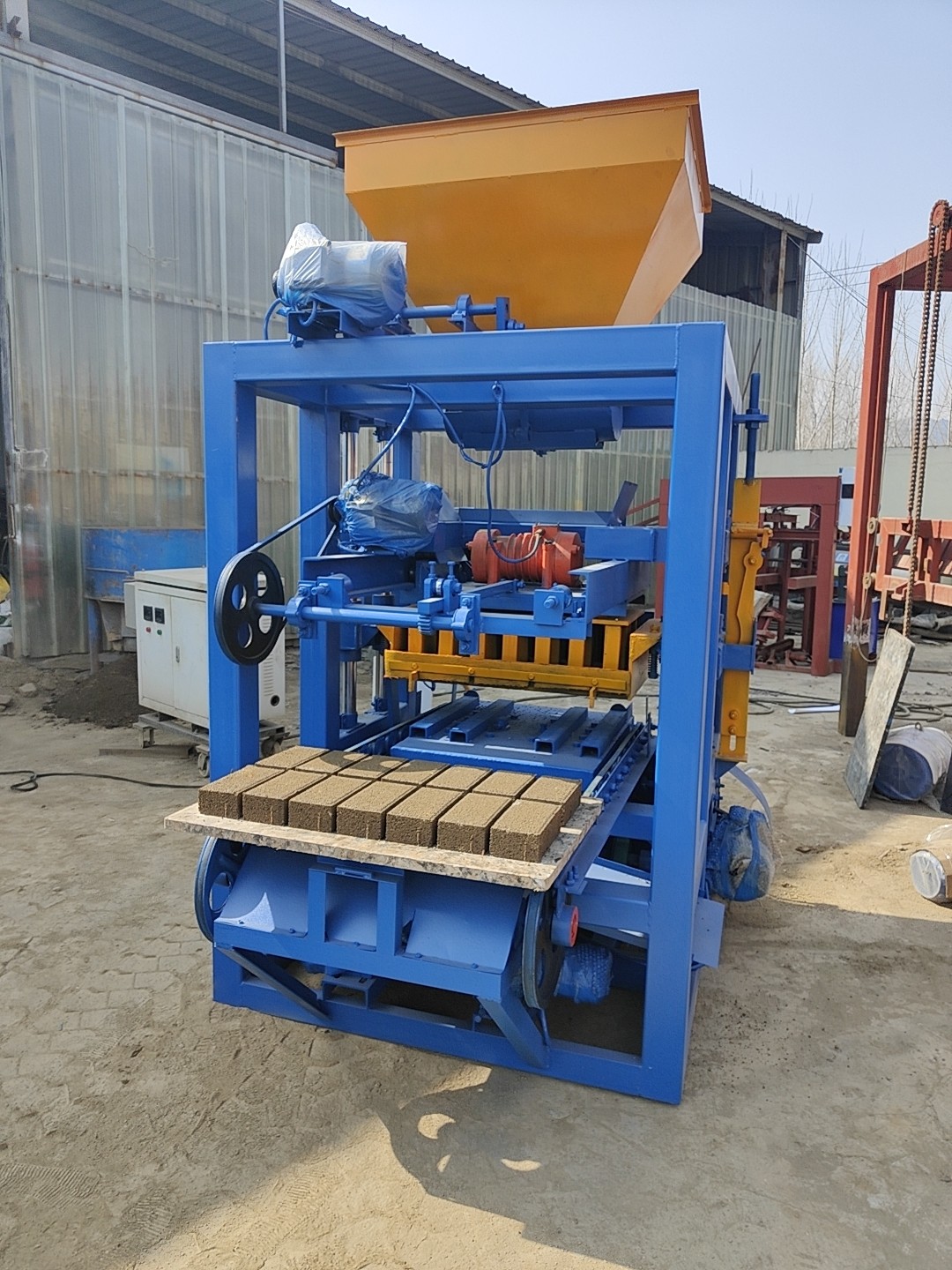
This category offers a perfect balance between output, automation, and affordability, serving the heart of the market.
Description: Machines require some manual intervention, typically for feeding raw material or removing finished blocks. The popular “egg laying block machine” is a prime example—it molds blocks directly on the ground and then moves (“lays eggs”) to the next position.
Output: Ranges from 2,000 to 8,000 blocks per day, depending on model and crew size.
Ideal For: Medium-sized businesses, regional suppliers, and entrepreneurs looking to scale up from manual operations.
Bricks aren’t just made from concrete. Chinese manufacturers produce specialized equipment for various material streams.
Clay Brick Making Machines: These often involve extruders that shape a continuous column of clay, which is then wire-cut into individual bricks before firing in a kiln. Systems can range from simple manual extruders to fully automated tunnel kiln lines.
Concrete Block Machines: The most common type, using vibration and hydraulic pressure to compact a mix of cement, sand, and aggregates in a mold. They can be stationary or mobile.
Interlocking Brick Machines: Designed to produce bricks that lock together without mortar, often using a soil-cement mix (CSEB) or clay. Ideal for low-cost housing and landscaping.
AAC Block Production Lines: These are highly specialized, capital-intensive plants for producing Autoclaved Aerated Concrete—a lightweight, insulating building material. The process involves mixing, casting, rising, cutting, and high-pressure steam curing.

Beyond the basic type, scrutinizing these core features will separate a reliable, long-term asset from a problematic piece of equipment.
Don’t just look at the model name. Dive into the technical data sheet:
* Theoretical Output: Understand the “blocks per hour” claim is under ideal conditions. Factor in realistic downtime.
* Molding Pressure: Measured in tons or mega-pascals (MPa), higher pressure generally produces denser, stronger blocks.
* Cycle Time: How many seconds for one complete molding cycle? A shorter cycle time means higher potential output.
The durability of the machine hinges on the quality of its parts.
* Hydraulic System: Look for recognized brand-name pumps, valves, and cylinders (e.g., Yuken, Rexroth). A robust hydraulic system ensures consistent pressure and fewer leaks.
* Electrical Components: PLCs, sensors, and contactors from brands like Siemens, Omron, or Schneider indicate reliability and easier troubleshooting.
* Molds: The mold is the heart of the machine. Insist on molds made from high-chromium, hardened alloy steel. They resist wear far longer than standard steel, maintaining block dimensional accuracy for years.

Manual: Basic lever or button controls for each action. Labor-intensive but low-cost.
Semi-Automatic: A control system sequences several operations (e.g., vibration, press, lift) with a single button press, but feeding and block removal may be manual.
Fully Automatic (PLC): The entire cycle is automated. The PLC touchscreen allows you to store recipes for different block types, monitor production data, and diagnose faults—crucial for consistent quality and efficiency.
This is arguably the most critical consideration when buying from overseas.
* Warranty: A clear, written warranty (typically 12-18 months for the whole machine, longer for the frame) is non-negotiable.
* Spare Parts: What critical spares are included? What is the process and lead time for ordering more? A good supplier will have a well-organized parts catalog.
* Technical Documentation: You must receive comprehensive installation drawings, electrical schematics, and operation manuals in English (or your language).
* Support Channels: Confirm the availability of support via email, WhatsApp, or video call. Will they provide remote troubleshooting?
Turning your decision into a delivered, functioning machine requires careful planning.
Verification: Use platforms like Alibaba’s “Trade Assurance” and “Verified Supplier” status as a starting point, not a guarantee.
Deep Check: Request their business license (in English), factory registration, and a minimum of 3 references from clients in your region. Contact those references.
Visual Proof: Demand a live video call for a real-time factory tour and to see the specific model you’re interested in under power. Pre-recorded videos can be misleading.
The quoted machine price is just the beginning.
* FOB (Free On Board): Price includes delivery to the Chinese port and loaded onto the ship. You pay for sea freight, insurance, and destination port charges.
* CIF (Cost, Insurance, and Freight): Price includes delivery to your nearest port. You pay for customs clearance, duties, and inland freight to your site.
* Hidden Costs: Budget for: Import duties and taxes (check your country’s regulations), customs broker fees, inland transportation from the port, foundation construction at your site, and potential costs for on-site installation by the supplier’s engineers.
Shipping: The supplier arranges export customs. You or your freight forwarder handle import customs at destination. Containerized shipping is standard.
Customs Clearance: You will need the commercial invoice, packing list, bill of lading, and possibly a certificate of origin from the supplier. A local customs broker is highly recommended.
Installation: Clarify upfront. Will the supplier send engineers (you typically cover visa, flight, local accommodation, and a daily fee), or will they provide super-detailed video guides? For complex plants, on-site installation is worth the extra cost.
Your machine’s productivity and lifespan depend on how you operate and care for it.
Consistent bricks start with a consistent mix.
* Ratios: Follow the supplier’s guidelines for cement-sand-aggregate ratios. Common mixes for hollow blocks range from 1:6:4 to 1:8:6 (cement:sand:aggregate).
* Gradation: Use well-graded sand and aggregates (e.g., 0-5mm sand with 5-10mm gravel). Avoid overly fine or single-sized aggregates.
* Moisture Content: This is critical. The mix should be damp, holding its shape when squeezed, but not wet enough to drip water. Typically between 8-12%.
Daily: Clean the machine thoroughly after each shift. Check hydraulic oil levels and for leaks. Grease all moving bearings and pivot points.
Weekly: Tighten all bolts and nuts (vibration can loosen them). Inspect mold liners and vibrator mounts for wear.
Monthly: Change hydraulic oil and filters as per the manual (contaminated oil is a major cause of failure). Inspect electrical connections for tightness.
Blocks Breaking or Chipping: Often caused by incorrect moisture content (too dry), insufficient vibration time, or low molding pressure.
Poor Surface Finish or Sticking in Mold: Can be due to a worn mold, insufficient mold release agent (often just a water spray), or a mix that is too wet.
Hydraulic System Overheating or Slow Operation: Check oil level and quality. A dirty oil cooler or a failing pump can be the culprit.
Inconsistent Block Height: Usually points to an issue with the hydraulic pressure setting, wear on the mold’s limit stops, or an uneven feed of material into the mold box.
Q1: What is the average price range for a brick making machine from China?
A: Prices vary dramatically based on type and automation. A small manual or egg-laying machine can start from $3,000 to $15,000. A robust semi-automatic stationary machine may range from $5,000 to $10,000. Fully automatic production lines typically begin around $12,000 and can exceed $30,000 for large, customized plants.
Q2: How do I ensure the machine quality without a factory visit?
A: Insist on a live video conference for a real-time, interactive factory and machine tour. Ask for close-up footage of the machine in operation, focusing on the welding, hydraulics, and control panel. Request a detailed, itemized component list specifying brands for critical parts. A trustworthy supplier will be transparent.
Q3: What is the lead time for production and shipping?
A: Standard machine production typically takes 15 to 30 working days after receiving your deposit. Sea shipping can add another 30 to 45 days to major global ports. Always have these timelines explicitly stated in your proforma invoice and sales contract.
Q4: Can Chinese suppliers provide training and technical support?
A: Yes, reputable suppliers provide comprehensive English manuals, electrical diagrams, and video guides. Most offer ongoing online support via communication apps. On-site installation and training by their engineers are almost always available for an additional fee, which is a wise investment for complex machinery.
Q5: Are spare parts readily available?
A: A reliable supplier will include a standard set of critical spare parts (seals, gaskets, filters, etc.) with the machine. They should have an efficient system for you to order and receive additional parts via air freight or sea cargo. Confirm the warranty coverage and policy for spare parts.
Investing in a China machine for making bricks is a strategic decision that can fundamentally transform your construction business’s capacity and profitability. The path to a successful purchase is paved with research and diligence. By thoroughly understanding your production needs, meticulously vetting suppliers on quality and support, and planning for the full lifecycle cost—from shipping to maintenance—you can harness the world-class manufacturing power of China with confidence.
Remember, the goal is not just to buy a machine, but to secure a reliable partner for production for years to come. Prioritize robust construction, proven automation, and unwavering after-sales service. With this guide as your roadmap, you are well-equipped to make an informed choice that will lay a solid foundation for your business’s growth and success.

